We often hear that we’re all connected by six degrees of separation—that you can link yourself to anyone on the planet through just a handful of people. But with billions of people in the world, how could that possibly be true? And in a world of social media and constant connectivity, is that number shrinking or growing? https://www.nature.com/articles/s41598-025-98072-2
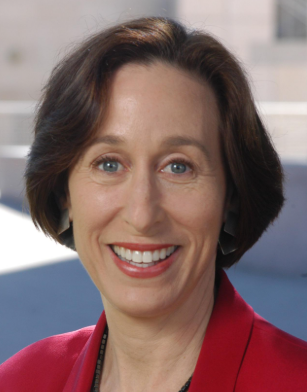
Some people just seem to have all the luck. Opportunities appear, things fall into place, and they end up in the right place at the right time. Is that just chance—or is there something more going on? Tina Seelig, who has spent more than 25 years teaching entrepreneurship and innovation at Stanford University, says luck isn’t nearly as random as it seems. In our conversation, she explains how certain behaviors and ways of thinking can actually increase your chances of getting lucky—and how small, everyday actions can open doors you didn’t even know were there. She is author of What I Wish I Knew About Luck: A Crash Course on Turning Aspirations into Achievements (https://amzn.to/3RaPQ2F).
Here is the link to her TED Talk: https://www.ted.com/talks/tina_seelig_the_little_risks_you_can_take_to_increase_your_luck
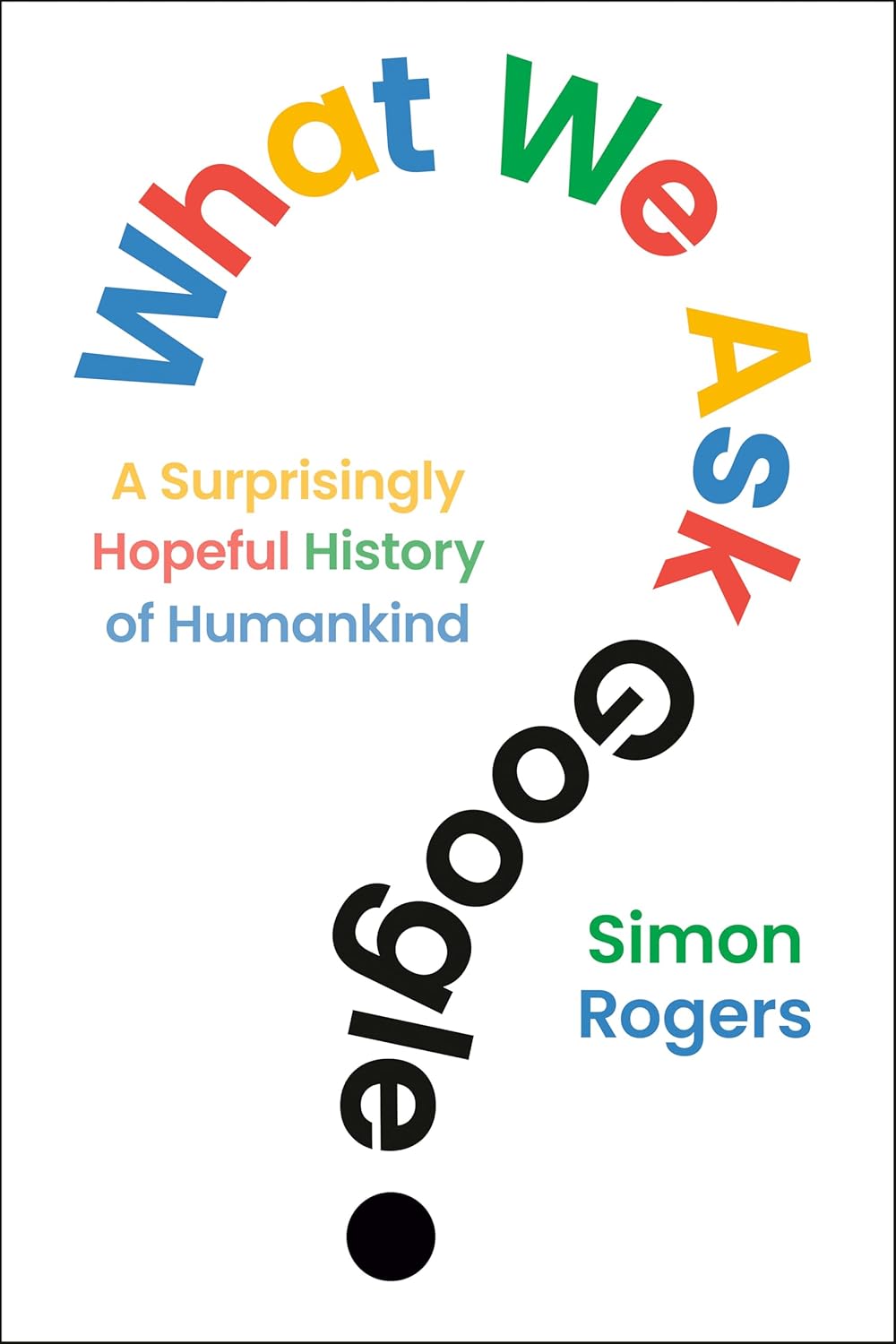
You know what you search for on Google—but what about everyone else? When people have anonymity, they often reveal what they’re really curious about, worried about, or struggling with. The patterns in those searches can be surprising—and sometimes unexpectedly hopeful. Simon Rogers, Data Editor at Google and author of What We Ask Google: A Surprisingly Hopeful History of Humankind (https://amzn.to/4w0fvLr), shares what these billions of searches reveal about human nature, what people are really thinking about, and what we can learn when we look at all that data together.
It’s often said that “nice guys finish last.” But is there actually some truth to that? Research suggests there may be a relationship between how agreeable you are and how much you earn. But the story isn’t as simple as “nice equals less money.” It raises a deeper question: are agreeable people undervalued—or are more difficult personalities rewarded in ways we don’t fully recognize? The answer may challenge what you think about success, personality, and what it really takes to get ahead. https://www.sciencedirect.com/science/article/abs/pii/S0167487022000812
PLEASE SUPPORT OUR SPONSORS
DUTCH: If your pet is still scratching and you’ve tried everything at the pet store –it’s time to stop guessing and go prescription.Support us and use code SYSK for $40 off your membership at https://Dutch.com
RULA: Thousands of people are already using Rula to get affordable, high-quality therapy that’s actually covered by insurance. Visit https://Rula.com/sysk to get started.
QUINCE: Refresh your wardrobe with Quince! Go to https://Quince.com/sysk for free shipping on your order and 365-day returns. Now available in Canada, too!
SHOPIFY: See less carts go abandoned with Shopify and their Shop Pay button! Sign up for your $1 per month trail and start selling today at https://Shopify.com/sysk
RESOURCES FOR THIS EPISODE:
Source for the story about social fabric: https://www.nature.com/articles/s41598-025-98072-2
Amazon link for Tina Seelig’s book, What I Wish I Knew About Luck: https://amzn.to/3QHW9e7
Link to Tina Seelig’s TED Talk: https://www.ted.com/talks/tina_seelig_the_little_risks_you_can_take_to_increase_your_luck
Amazon link for Simon Rodgers’ book, What We Ask Google: https://amzn.to/4w3kI5k
Source for the story about personality and success: https://www.sciencedirect.com/science/article/pii/S0167487022000812