When you delete a spam text, your phone often gives you the option to “Delete and Report.” But have you ever wondered what actually happens when you report it? Who gets the report? Does anyone do anything with it? Turns out, hitting that button isn’t as pointless as it may seem. https://consumer.ftc.gov/articles/how-recognize-and-report-spam-text-messages
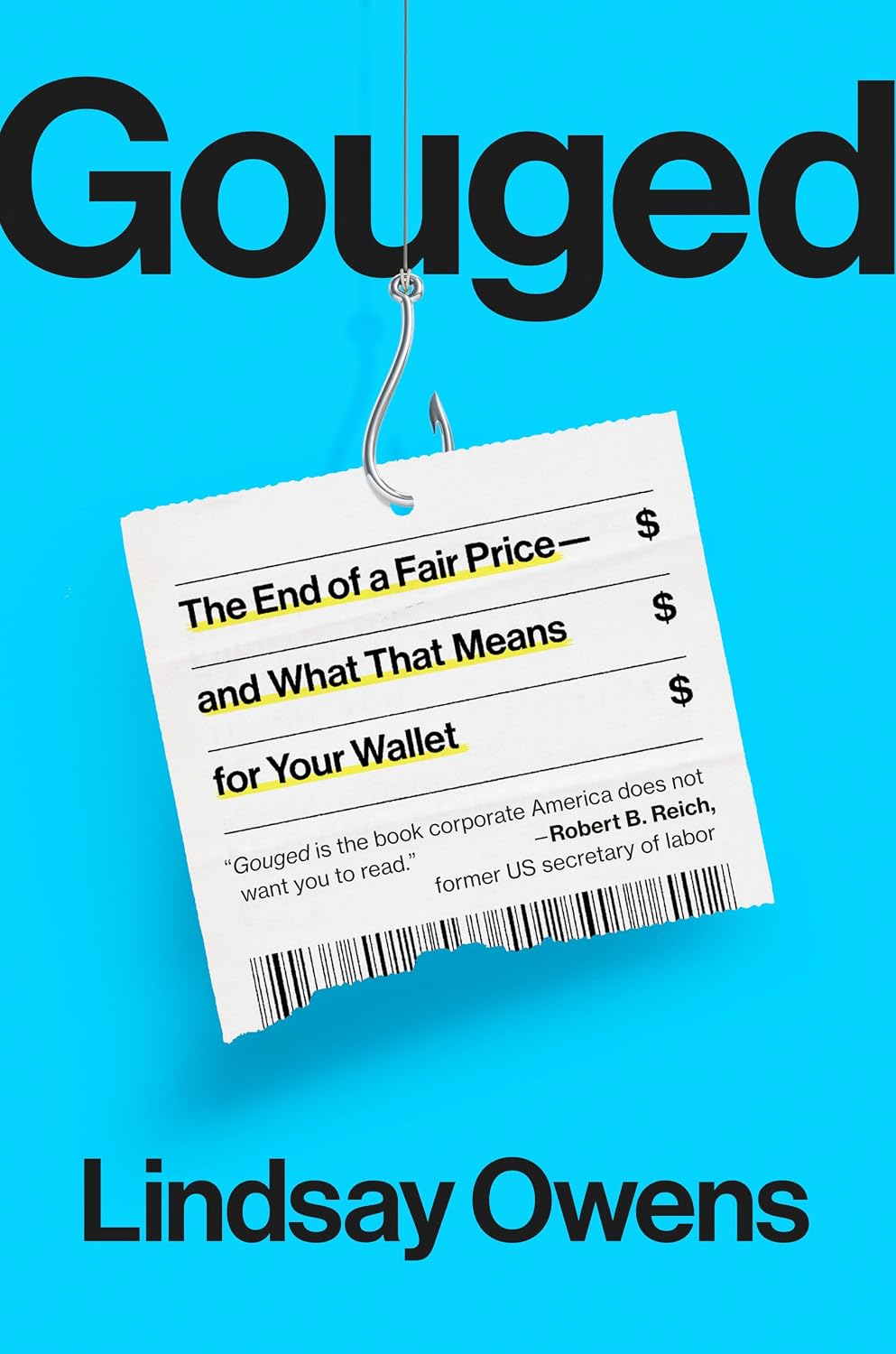
Imagine two people shopping for the exact same thing — but being offered different prices based on what a company knows about each of them. That’s the unsettling idea behind “surveillance pricing” and it happens all the time. Companies can use data, algorithms, hidden fees and other techniques to determine how much they think you are willing to pay — and then charge accordingly. So how does it work and what can consumers do about it? My guest is Lindsay Owens is president and CEO of the Groundwork Collaborative, an economic think tank and corporate watchdog in Washington, D.C. She has testified before Congress and advised lawmakers on consumer and economic issues. She is author of Gouged: The End of a Fair Price—and What That Means for Your Wallet (https://link.amazon/B0f69O9qK).
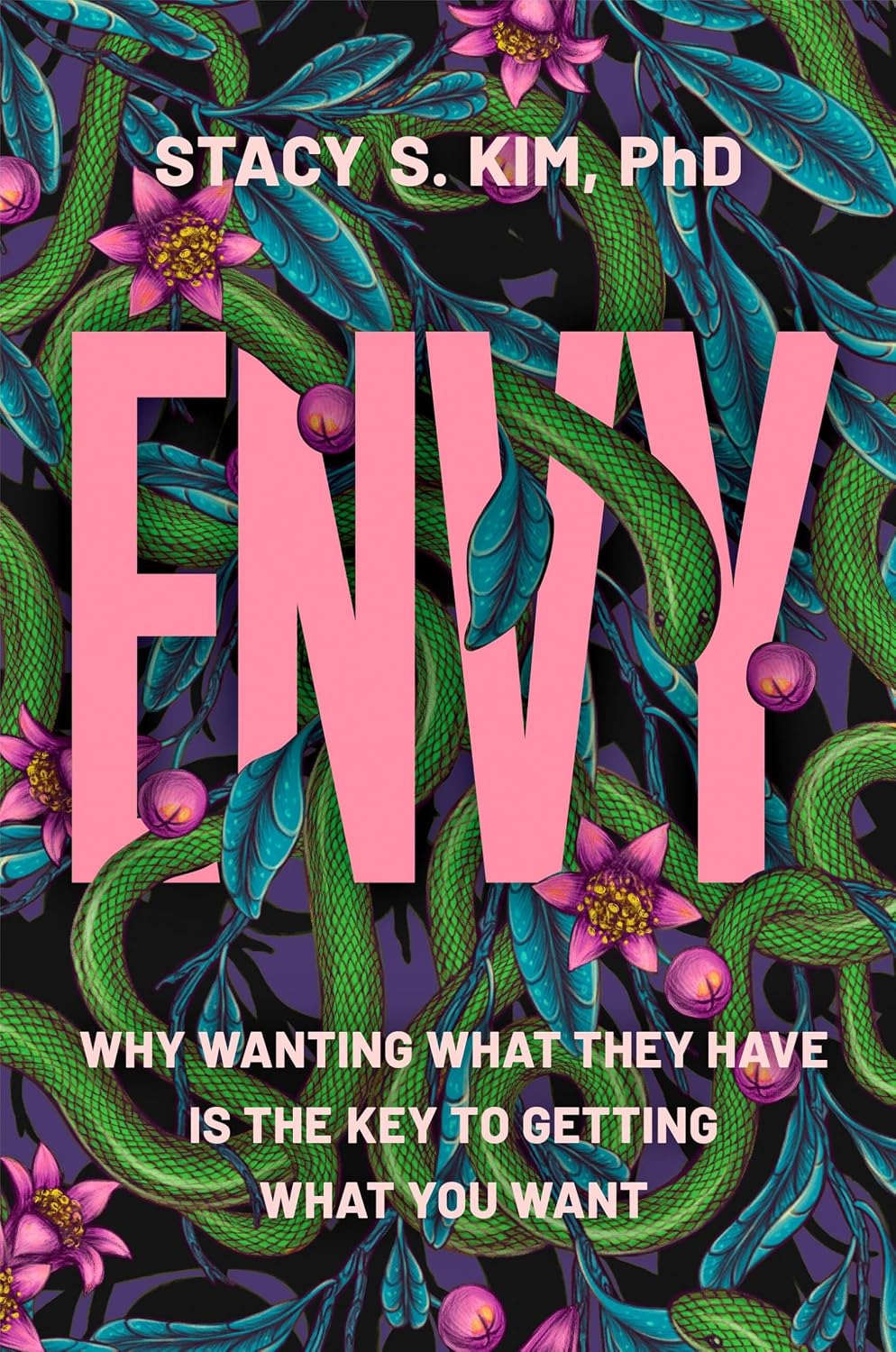
Envy has a terrible reputation. We’re told not to compare ourselves to others, to be grateful for what we have and certainly not to covet what someone else has. But what if envy isn’t a character flaw at all? What if that uncomfortable feeling is actually giving you useful information about what you want from your own life? Social scientist Stacy Kim explains why envy may be worth paying attention to and how to use it without letting it consume you. She has spent more than 15 years helping people understand and use envy more productively and is author of Envy: Why Wanting What They Have Is the Key to Getting What You Want (https://link.amazon/B01U7KWW1).
Why do certain foods — lasagna, chili, stews and other leftovers — often taste even better the next day? What could possibly happen sitting in the refrigerator overnight that improves the flavor? There is actually some interesting science behind it. And in some cases, cooling and reheating food may even change it nutritionally. Listen and discover what your leftovers are doing while you sleep. https://www.sciencefocus.com/science/why-does-food-taste-better-the-next-day
PLEASE SUPPORT OUR SPONSORS
AIR DOCTOR: Head to https://AirDoctorPro.com and use promo code SYSK to get $250 off select AirDoctor air purifiers, including the 3500, 4000, and 5500 models. Plus, you’ll receive a free 3year warranty, an $84 value, and AirDoctor’s 30-day money back guarantee
WAYFAIR: Ready to upgrade your home for way less? Head to https://Wayfair.com right now to shop all things home and get your space ready for less.
QUINCE: Elevate your everyday. Go to https://Quince.com/sysk for free shipping on your order and 365-day returns. Now available in Canada, too!
SHOPIFY: It’s time to turn those “what ifs” into CHA CHING with Shopify Today! Sign up for your $1 per month trail and start selling today at https://Shopify.com/realm
INDEED: Get a $75 Sponsored Job credit to help get your job the premium status it deserves at https://Indeed.com/PODCAST
RESOURCES FOR THIS EPISODE:
Source for the story about spam texts: https://consumer.ftc.gov/articles/how-recognize-and-report-spam-text-messages
Amazon link for Lindsay Owens’ book, Gouged: https://link.amazon/B0igY4j4N
Amazon link for Stacy Kim’s book, Envy: https://link.amazon/B0eW2WvRi
Source for the story about leftovers: https://www.sciencefocus.com/science/why-does-food-taste-better-the-next-day