Where do you leave your car keys at night? On the kitchen counter? By the front door? It turns out that where you keep your key fob when you’re not driving could actually affect your car’s battery. And the reason why is something most drivers probably never consider. https://www.northway.aaa.com/magazine/news/not-so-fob-ulous
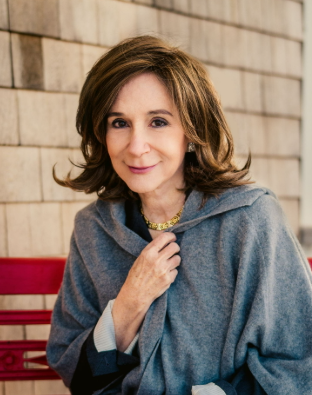
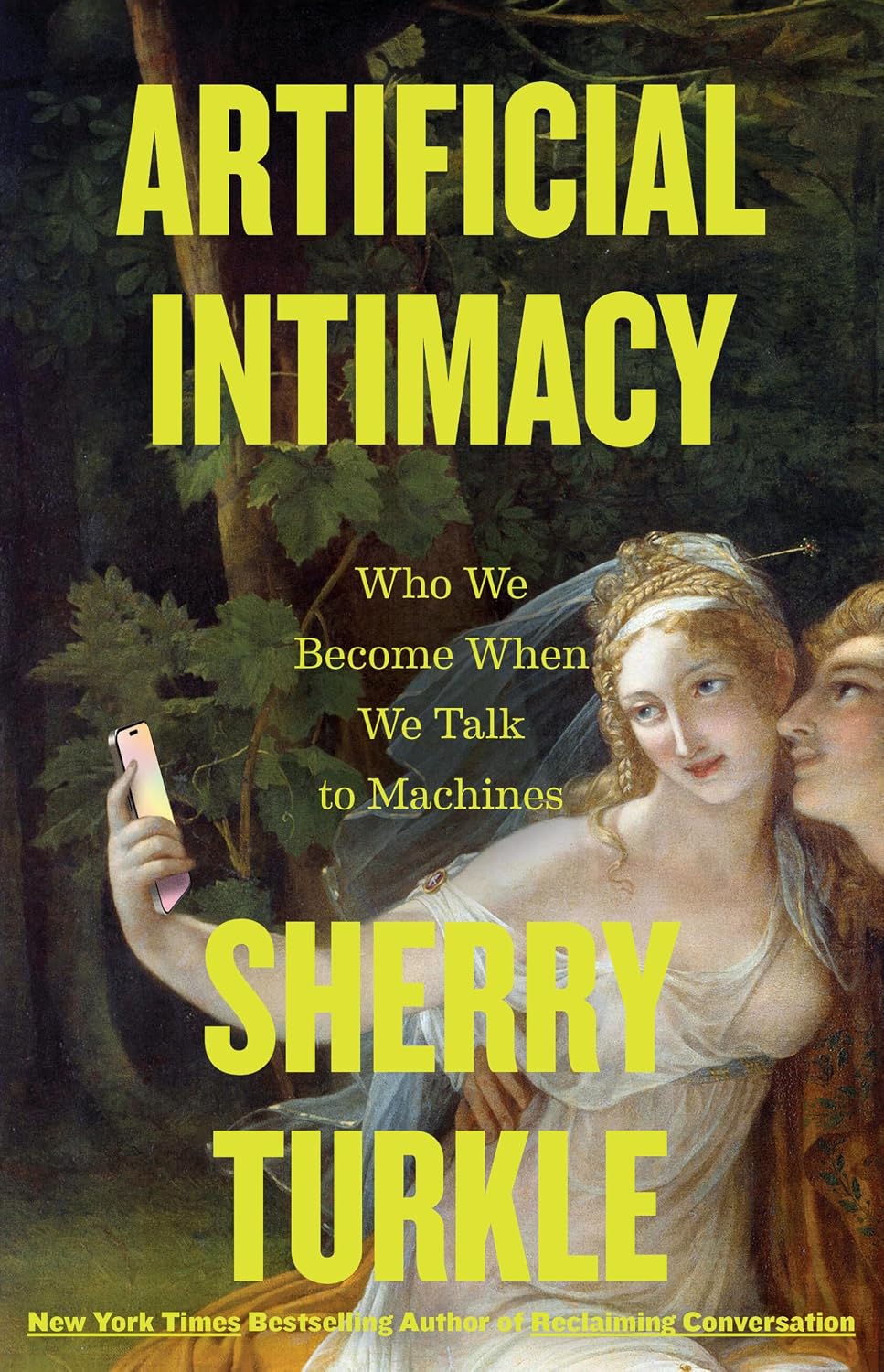
Can you really fall in love with a chatbot? Apparently, some people do. Millions of people are turning to AI for companionship, emotional support, intimate conversations, and even romance. And why not? A chatbot is always available, never gets impatient, and seems genuinely interested in everything you have to say. But there’s a troubling catch: It can sound like it cares about you without actually caring at all. So what happens when we begin forming deep emotional attachments to machines? Sherry Turkle joins me to explore the fascinating and sometimes disturbing world of artificial intimacy. She is a professor at MIT, founding director of the MIT Initiative on Technology and Self, and one of the world’s leading experts on our relationship with technology. She is the author of Artificial Intimacy: Who We Become When We Talk to Machines (https://link.amazon/B00VbMErE).
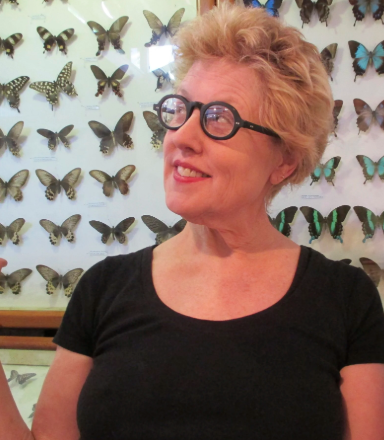
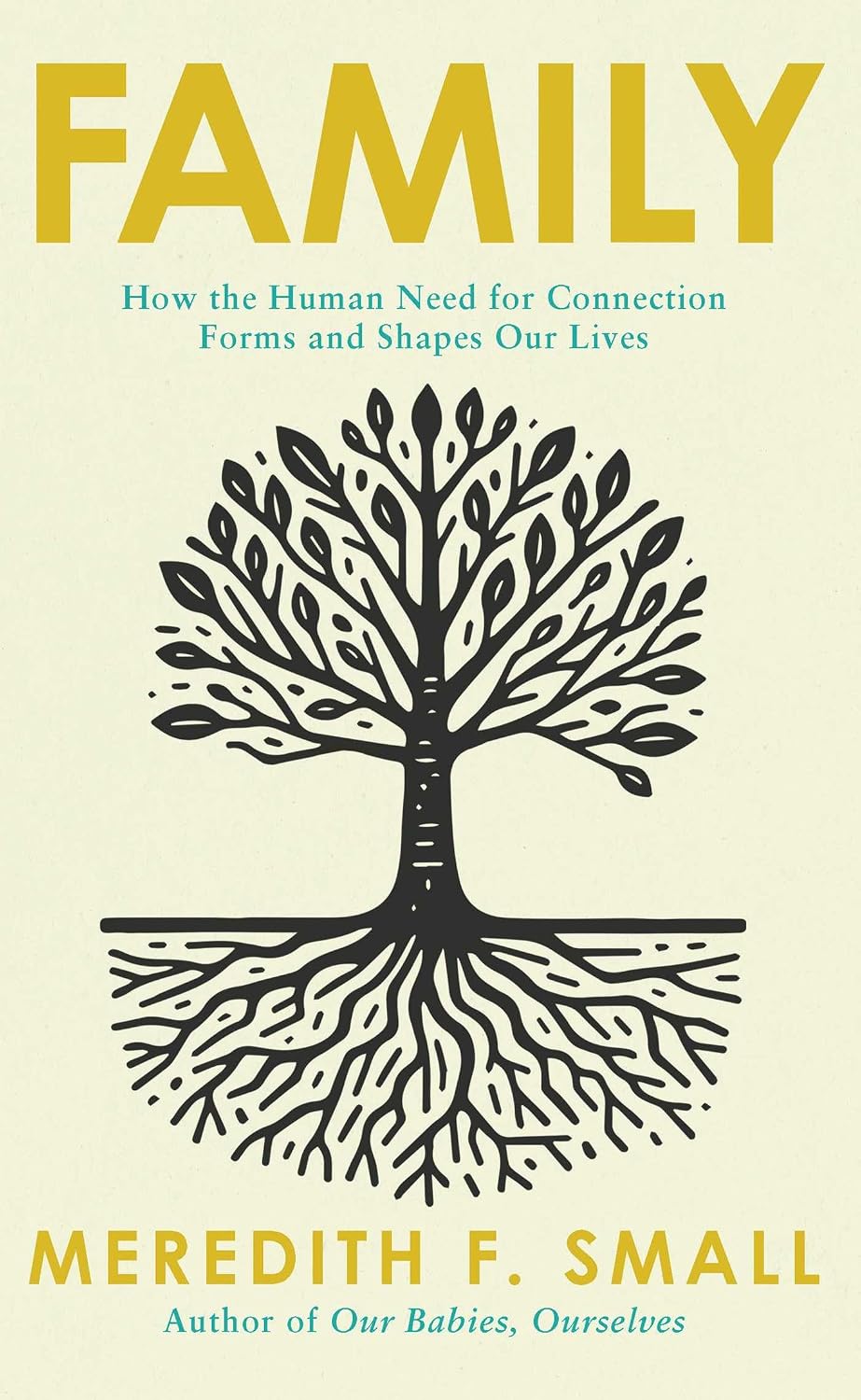
There is something remarkably powerful about family. We feel an almost instinctive connection to the people we call family, even when those relationships are difficult, complicated, or downright dysfunctional. We say “blood is thicker than water,” yet some of our strongest family bonds aren’t based on blood at all. So what actually makes a family? Why do we need one? Meredith Small joins me to explore the surprising science and anthropology of family, how family relationships have evolved, and why our need to belong is such a fundamental part of being human. Meredith is a professor of anthropology at Cornell University and author of several books, including Family: How the Human Need for Belonging Shapes Our Lives (https://link.amazon/B0cjvakMw).
When you’re struggling with a difficult decision or a problem you just can’t solve, someone will inevitably suggest you “sleep on it.” And there’s good science behind that advice. But what if you could get some of the same benefits without actually going to sleep? Research suggests there may be a surprisingly simple way to help your brain find answers when you’re stuck. https://pubmed.ncbi.nlm.nih.gov/30388441/
PLEASE SUPPORT OUR SPONSORS
MONARCH: Write your own money story with Monarch! Use promo code SYSK at https://Monarch.com to get your 1st year of Monarch Core half off at just $50
AIRDOCTOR: Head to https://AirDoctorPro.com and use promo code SYSK to get up to $300 off ANY of their select AirDoctor models, plus you will get a 3-year warranty, absolutely FREE! with a 30-day money back guarantee.
TREES.COM: Right now, https://Trees.com have great deals on planting essentials, up to half off on select plants. And listeners to our show get 20% OFF their purchase when using the promo code SYSK at checkout.
KA’CHAVA: Ka’Chava’s new Salted Caramel is the perfect balance of mouthwatering flavor and benefits. Embrace your salty side. Go to https://kachava.com and use promo code SYSK to get 15% off your first order!
VINTED: Ready to clean out your closet and make some extra money?Download the Vinted app for free and start listing! With no seller fees, you keep every dollar you earn and for a limited time, enjoy free shipping in the US on Vinted.
QUINCE: Find your next Fall favorites at Quince! Go to https://Quince.com/sysk for free shipping on your order and 365-day returns. Now available in Canada, too!
PLANET VISIONARIES: In partnership with The Rolex Perpetual Planet Initiative, this is Planet Visionaries. Listen or watch wherever you get your podcasts!
RESOURCES FOR THIS EPISODE:
Source for the story about car keys: https://www.northway.aaa.com/magazine/news/not-so-fob-ulous
Amazon link for Sherry Turkle’s book, Artificial Intimacy: https://link.amazon/B07shlcf0
Amazon link for Meredith Small’s book, Family: https://link.amazon/B0ghYKS4J
Source for the story about making decisions: https://pubmed.ncbi.nlm.nih.gov/30388441/