Being a little skeptical can feel smart. After all, cynics pride themselves on “seeing things as they really are”—not getting fooled, not trusting too easily. But is that actually true? Or does cynicism quietly distort the way you see other people and the world?
Research suggests that cynicism may come with a significant cost. People who assume the worst in others often miss opportunities for connection, collaboration, and even personal success. In fact, believing that others are selfish or untrustworthy can become a self-fulfilling cycle—one that shapes how you behave and how others respond to you.
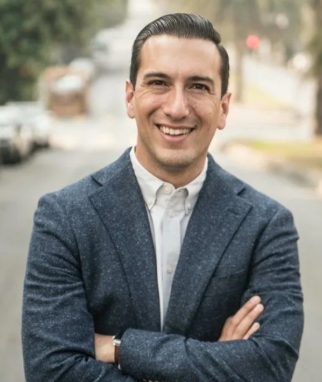
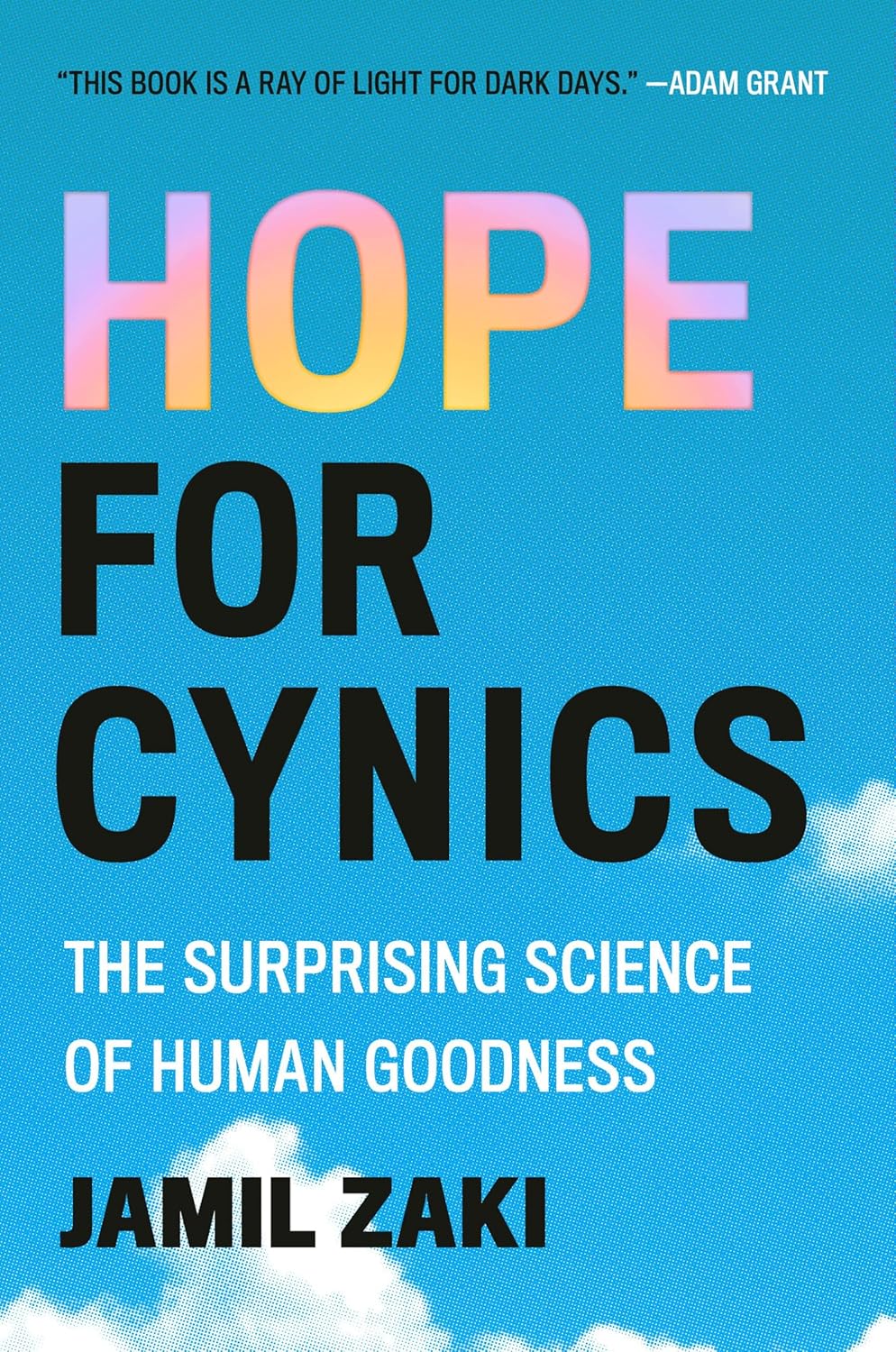
Dr. Jamil Zaki, professor of psychology at Stanford University and director of the Stanford Social Neuroscience Lab, studies empathy, trust, and human connection. In his book Hope for Cynics: The Surprising Science of Human Goodness (https://amzn.to/3XeRfpL), he explores what science actually says about human nature—and why many of us are far more trustworthy and cooperative than cynics assume.
In our conversation, he explains why cynicism feels protective, why it spreads so easily, and what you can do to challenge it without becoming naïve. If you—or someone you know—tends to expect the worst, this perspective may change the way you think about people and your place among them.
RESOURCES FOR THIS EPISODE:
Amazon link for Jamil Zaki’s book, Hope for Cynics: https://amzn.to/4txSP3y